



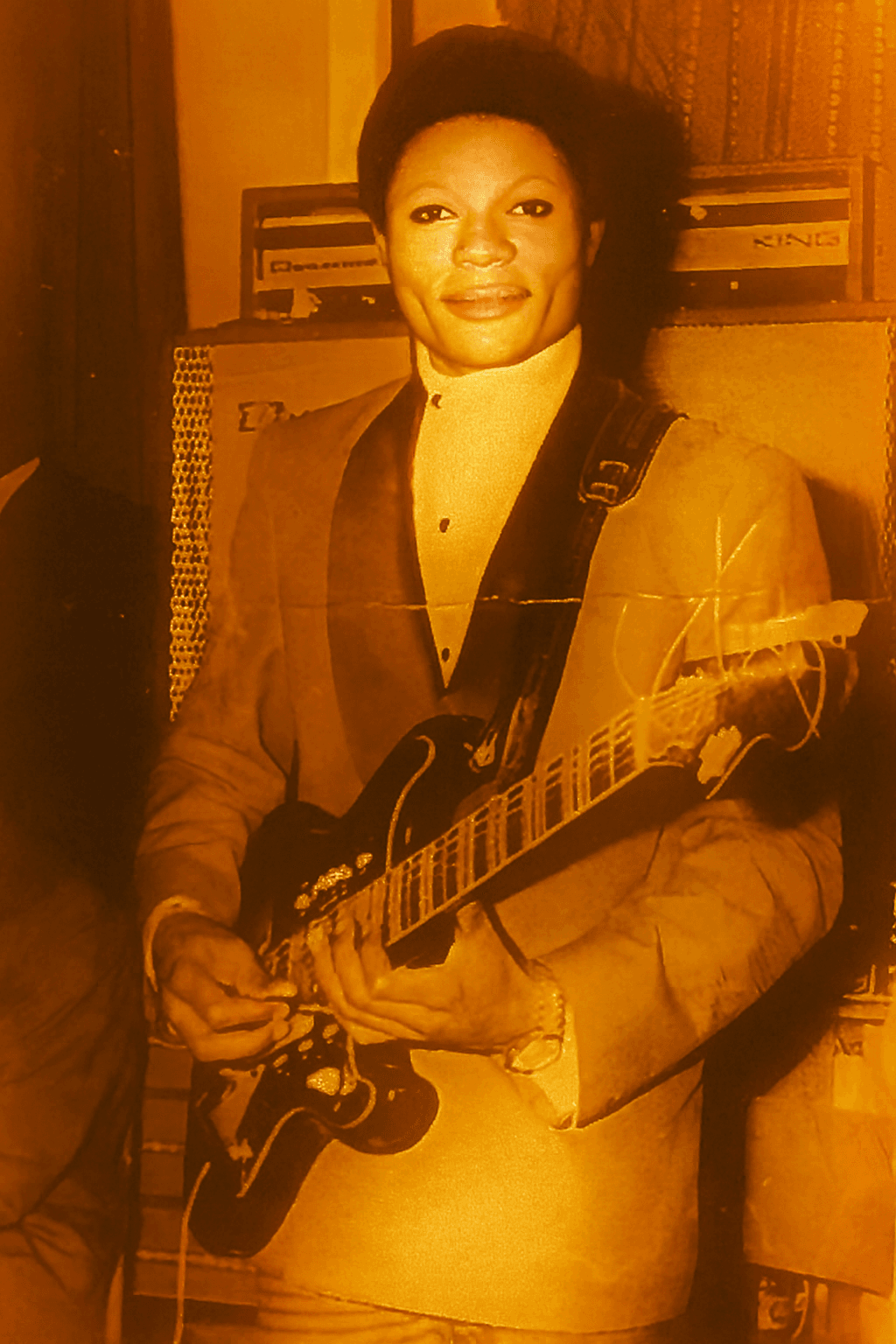
Bavon Marie Marie: A Short Life, A Lasting Legacy
Family and Early Life
Born Siango Bavon Marie Marie on May 27, 1944, in Kinshasa (then Léopoldville), Congo, Bavon grew up in a family deeply rooted in Congolese music. He was the younger brother of Franco Luambo Makiadi, a legendary figure in African music and the founder of the iconic band, TPOK Jazz. Despite his family’s hopes for a different career path, Bavon’s passion for music emerged early. By the age of 17, driven by his love for music, Bavon ran away from home, defying his mother’s and brother’s wishes. This act of rebellion marked the beginning of a brief yet influential career.
Musical Beginnings: From Orchestre Jamel to Negro Success
Bavon began his musical journey shortly after returning to Léopoldville, now Kinshasa. His first major steps into the music scene came with his participation in Orchestre Jamel, a local group made up of young, aspiring musicians. From there, he joined Orchestre Cobantou, gaining more experience and refining his guitar skills. However, it was in 1964 when Bavon truly made his mark, becoming the lead guitarist and star attraction of the band Negro Success. This band would play a significant role in shaping the youth culture of the time.
Challenging the Status Quo: Leading Negro Success
As the leader of Negro Success, Bavon represented a vibrant youth movement that challenged the dominance of Franco’s TPOK Jazz. The band’s music was characterized by its street slang lyrics and fashionable image, appealing to a younger, trendier audience. Bavon’s leadership brought Negro Success into the spotlight, releasing over 50 albums and proving themselves a formidable force in the Congolese music scene. While often compared to his brother Franco, Bavon developed his own identity as both a guitarist and a songwriter.
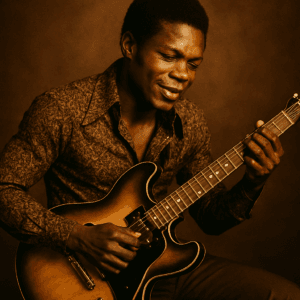
1970s Congolese Guitarist
Bavon’s Musical Style and Influence
Bavon Marie Marie’s musicianship and songwriting skills set him apart. His guitar melodies were infectious, and his lyrics had an emotional depth that resonated with listeners. His song “Lucie Tozongana” (Lucie, Let’s Reconcile), released in 1966, exemplified his talent for creating songs that captured the complexities of human relationships. Bavon’s music was not only deeply personal but also socially relevant, as it often reflected the experiences of his generation. Despite his relatively short career, his work earned him a reputation as one of the best musicians of his era.
A Star in the Public Eye: Personal Life and Image
Bavon was as famous for his music as he was for his flamboyant personality. His obsession with fashion and appearance made him a standout figure in Kinshasa’s music scene. He was known for wearing eyeliner and using skin-lightening creams, embodying the archetype of the extravagant superstar. His personal relationships often intertwined with his music. His series of songs dedicated to Lucie, a woman he once dated, is a testament to how closely his personal life influenced his art. Bavon’s image was a blend of talent, controversy, and charisma, making him a fascinating figure both on and off stage.
The Tragic End: Bavon’s Untimely Death
At the height of his career, Bavon’s life came to a sudden and tragic end. On August 5, 1970, at just 26 years old, he died in a car accident. According to reports, Bavon was involved in a heated argument with Marie Jose Simplicité, the mother of his son, Aime Siongo, when their car collided with a truck. This untimely death shocked the Congolese music world, cutting short a career that many believed had the potential to reach even greater heights.
The Legacy of Bavon Marie Marie
Despite his short life, Bavon Marie Marie left an enduring legacy in Congolese and African music. His work with Negro Success helped shape the future of the genre, influencing countless musicians who followed in his footsteps. Although Bavon and his brother Franco were often seen as rivals, Franco showed deep respect for Bavon’s talent and later honored him through his music, particularly in the song “Kinsiona,” which expressed his grief over Bavon’s death.
Bavon’s music continues to inspire new generations, proving that even a brief career can leave an indelible mark on the world. His life and artistry remain a testament to the power of Congolese music, reflecting both the triumphs and the tragedies of a young nation.