


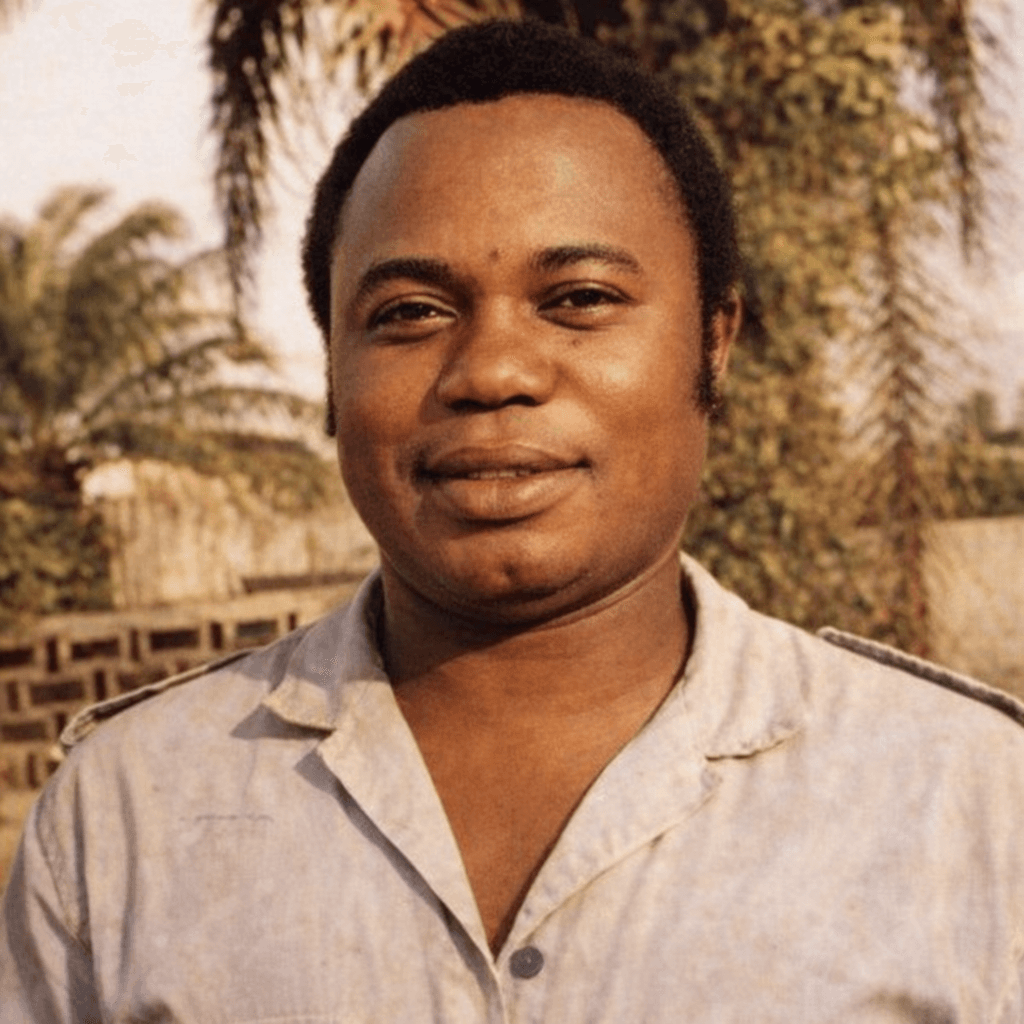
Diatho Lukoki: Voice of TPOK Jazz and Congolese Rumba
The Enduring Legacy of Diatho Lukoki
Diatho Lukoki, also known as Lukoki Diatho, was a distinguished Congolese singer, performer, and composer who earned his place among the greats of TPOK Jazz, the legendary rumba ensemble founded by Franco Luambo Makiadi. Emerging in the vibrant Kinshasa music scene of the late 1970s, Lukoki became one of the key voices that helped define Congolese rumba and soukous during the genre’s golden age. His warm, expressive vocals and lyrical style made him a respected figure within both the band and the broader Lingala music community.
Early Beginnings in Kinshasa’s Vibrant Music Scene
Born and raised in the Democratic Republic of Congo, Diatho Lukoki began his musical journey in Kinshasa—a city often called the beating heart of African rhythm. During the 1970s, the Congolese capital was a hub of creativity, nurturing talents who would later define African dance music. Lukoki’s natural vocal tone and storytelling ability quickly earned him attention. His voice carried both emotion and elegance, perfectly suited for the melodic rumba and up-tempo soukous rhythms that dominated the era.
Before joining the illustrious TPOK Jazz, Lukoki performed in smaller bands around Kinshasa, where he developed his craft, mastering the art of vocal harmony and rumba phrasing.
Joining TPOK Jazz: The Franco Era
In 1978, Diatho Lukoki joined TPOK Jazz, a defining moment in his musical career. Led by the incomparable Franco Luambo Makiadi, TPOK Jazz was already the most influential orchestra in Central Africa, known for its intricate guitar work, lush vocal harmonies, and poetic lyrics sung in Lingala.
Lukoki’s arrival coincided with a dynamic period in the group’s history when the band was producing some of its most memorable works. Alongside other vocalists such as Sam Mangwana, Madilu System, and Josky Kiambukuta, Lukoki contributed to the band’s signature multi-voice arrangements that blended social commentary, romance, and spirituality.
As part of TPOK Jazz, Lukoki participated in both studio recordings and live performances that captivated audiences across Kinshasa, Brazzaville, and later throughout Europe and Africa.
Musical Collaborations and Notable Works
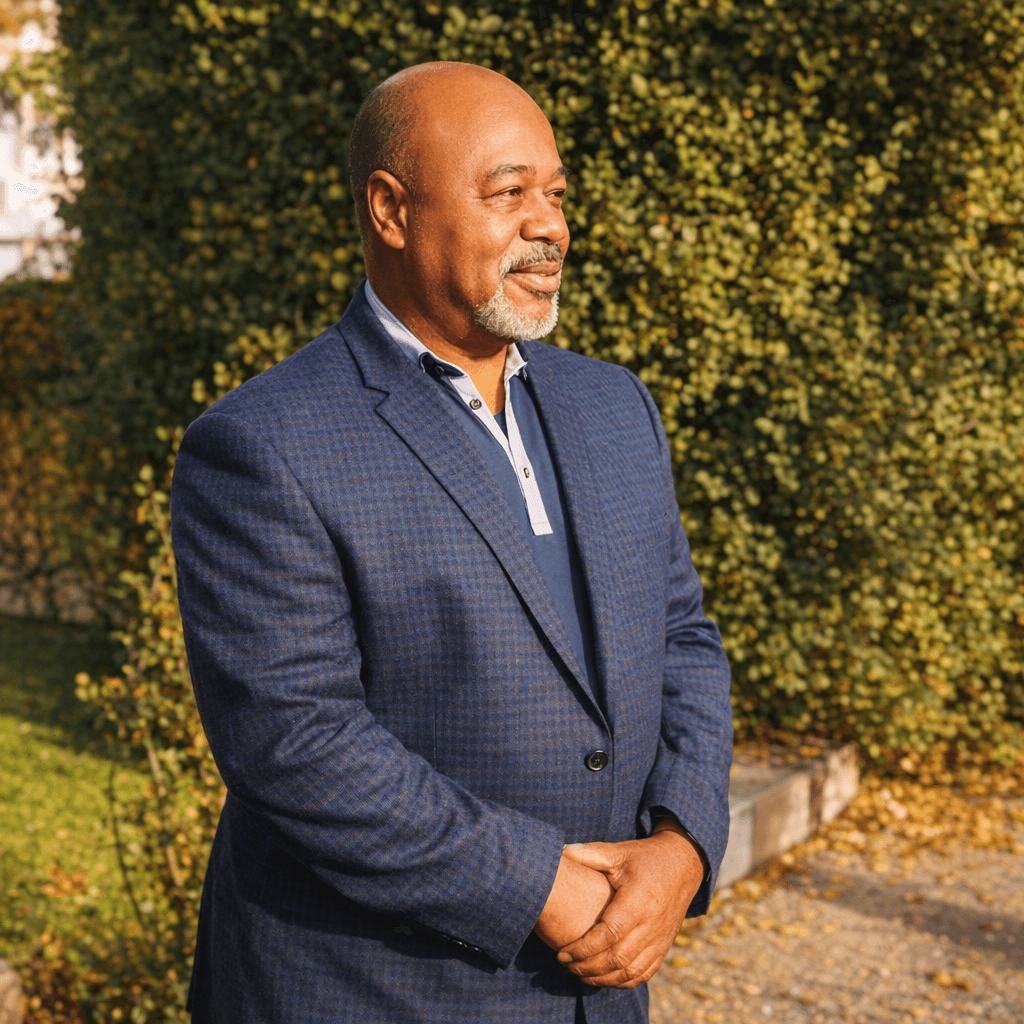
Diatho Lukoki was also known for his collaborations with other Congolese greats within and beyond the TPOK Jazz circle. He worked closely with Djo Mpoyi, another gifted vocalist from the TPOK lineage, in several joint projects that celebrated the enduring power of Congolese rumba.
While not every track from Lukoki’s era has been digitally archived, his contributions are remembered in songs that blend melancholy, reflection, and joyous rhythm—hallmarks of Franco’s sound. Lukoki’s harmonies enriched classics that explored love, everyday life, and moral lessons.
Some of Diatho Lukoki’s Notable Songs and Collaborations Include:
Tosali Nini Nzambe? (performed with the TPOK Jazz choir)
Sango Ya Nzambe (a reflective collaboration showcasing his vocal depth)
These tracks highlight Lukoki’s ability to merge devotional themes with the elegant guitar-driven structures typical of soukous.
The Artistry and Style of Diatho Lukoki
Lukoki’s singing style was deeply rooted in the Congolese rumba tradition but carried elements that bridged sacred and secular music. His vocal delivery combined emotional warmth with technical precision, often balancing between lead and harmony roles.
Musically, he specialized in:
Soukous: Fast-paced, danceable, and guitar-driven, showcasing his adaptability.
Congolese Rumba: Smooth, romantic, and storytelling-driven, where his expressive tone truly shone.
Lingala Gospel Influences: Reflecting spiritual depth in both lyrics and delivery.
What made Lukoki unique was his ability to evoke introspection while maintaining rhythmic energy—a trait that allowed him to remain relevant in both traditional and contemporary Congolese settings.
Later Years and International Presence
After the passing of Franco Luambo in 1989, many TPOK Jazz members pursued independent paths. Diatho Lukoki continued performing and recording, contributing to the preservation of Congolese musical heritage. Like many of his peers, he became part of the Congolese diaspora in Europe, where he performed for communities keeping rumba culture alive.
Lukoki eventually settled in Belgium, a key hub for Congolese music abroad. There, he maintained connections with fellow artists, occasionally performing at community events and supporting emerging musicians who looked up to him as a mentor figure.
In July 2024, the world of Congolese music mourned his passing. Reports confirmed that Diatho Lukoki passed away in Belgium and would be buried in Antwerp, symbolizing his enduring link to both Congo and the global rumba community. His death was widely acknowledged by music fans and historians who recognized his contributions to one of Africa’s most enduring art forms.
Influence and Legacy in Congolese Music
Diatho Lukoki’s impact on Congolese rumba and soukous cannot be measured solely by chart-topping hits but by his role in shaping the genre’s vocal identity. His voice was part of the collective harmony that made TPOK Jazz’s sound timeless—rich, layered, and full of soul.
As a member of the TPOK Jazz dynasty, Lukoki stands among the ranks of the artists who helped spread Congolese music across Africa, Europe, and Latin America. His work continues to influence both established and emerging Congolese singers who blend traditional rumba with modern Afro-fusion styles.
Lukoki’s artistry also reminds listeners of the spiritual and emotional core of Congolese music, a music of resilience, love, and community.
Remembering Diatho Lukoki: A Voice That Lives On
Though Diatho Lukoki may no longer walk among us, his voice continues to echo through the recordings and memories of rumba enthusiasts worldwide. His legacy is that of a true artist—one who dedicated his life to celebrating Congolese culture through song.
From Kinshasa’s bustling dance halls to Antwerp’s diaspora stages, Lukoki’s music transcended geography, embodying the unity and rhythm of the Congolese soul.
Diatho Lukoki’s contribution to TPOK Jazz and the broader rumba tradition ensures that his name remains etched in the rich tapestry of African music history, a legacy that continues to inspire and uplift generations.