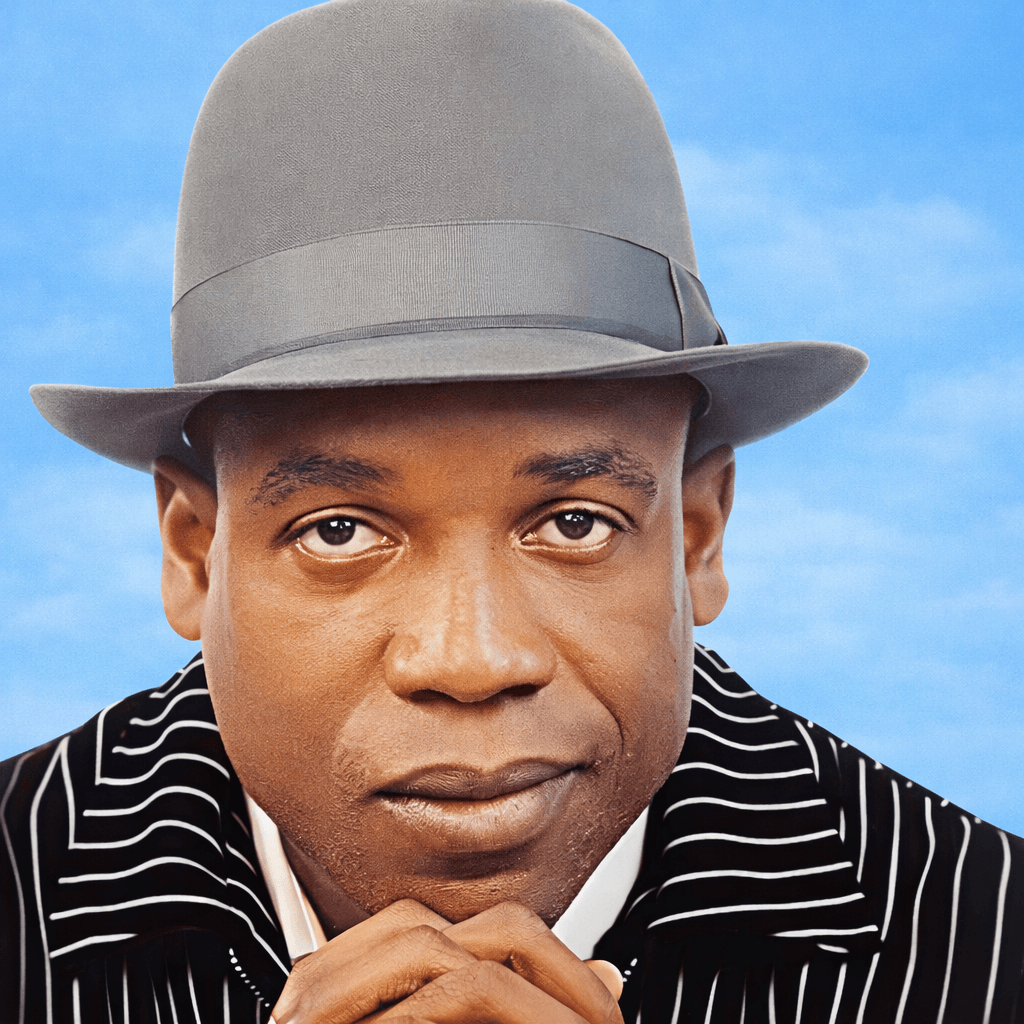
Dindo Yogo: A Legend of Congolese Music
Early Life and Musical Beginnings
Théodore Dindo Mabeli, known professionally as Dindo Yogo, was born on December 30, 1955, in Kinshasa, Belgian Congo (now the Democratic Republic of the Congo). His journey into music began at a young age, showcasing his talent as a guitarist in local bands. With a passion for melody and rhythm, Yogo quickly developed a distinctive style that would later make him one of the most revered vocalists in Congolese music.
Rise to Fame with Viva La Musica
In 1978, Dindo Yogo’s career took a significant turn when he joined Papa Wemba’s renowned band, Viva La Musica. His unique, soulful voice and impressive guitar skills made him an instant standout in the group. Viva La Musica was at the forefront of Congolese rumba and soukous, and Yogo’s contributions were pivotal in shaping its sound during his tenure. However, his time with the band was short-lived, as he left in 1981 along with several key members to form a new musical powerhouse.
Langa Langa Stars and Other Collaborations
After parting ways with Viva La Musica, Dindo Yogo joined forces with Popolipo Zanguila, Djuna Djanana, and Esperant Kisangani to establish Langa Langa Stars, an offshoot of the legendary Zaiko Langa Langa. This move solidified his position in the Congolese music scene, as the band became known for its energetic soukous rhythms and dynamic performances. Throughout his career, Yogo also played with Orchestre Macchi and later formed his own band, Etumba Na Nguaka. In 1992, he founded Ngwaka Aye, which introduced a fresh rhythm called “Ngiebu Ngiebu,” further expanding his musical influence.
Musical Style and Influence
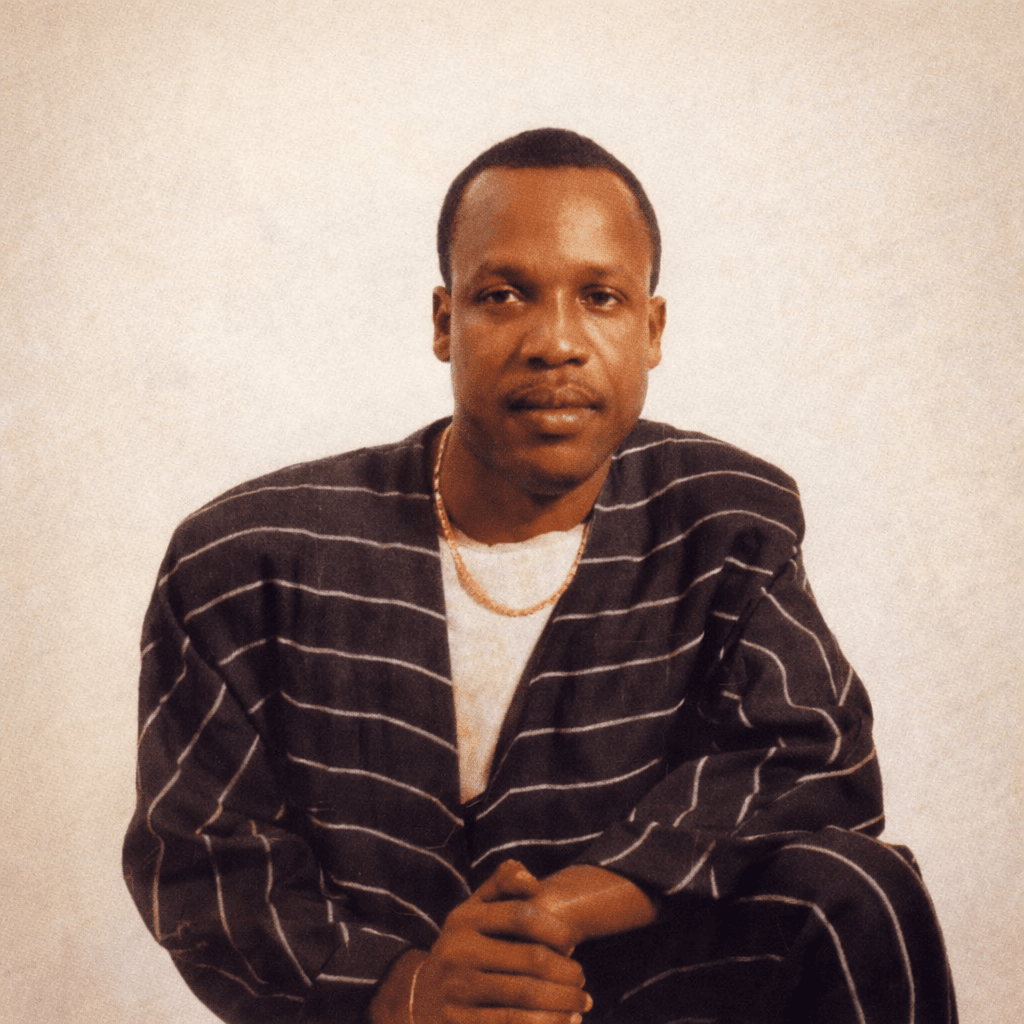
Dindo Yogo was a master of multiple genres, including soukous, Congolese rumba, and Lingala music. His voice, often described as “La Voix Cassée” (The Broken Voice), had a quivering, emotional depth that made his songs deeply expressive. His lyrics frequently tackled social issues, touching on corruption, poverty, and injustice in Congolese society, making his music not only entertaining but also thought-provoking.
Notable Songs and Discography
Yogo’s rich discography includes several memorable tracks that continue to resonate with fans today. Some of his most popular songs include:
His albums include:
Legacy and Impact on Congolese Music
Dindo Yogo’s career was tragically cut short when he passed away in 2000 at the age of 37. Despite his untimely death, his influence on Congolese music remains undeniable. His distinctive voice and commitment to social commentary through music have left an indelible mark on the genre. Artists across generations continue to draw inspiration from his work, and his songs remain beloved by fans of soukous and Congolese rumba worldwide.
Conclusion
Dindo Yogo was more than just a musician; he was a storyteller and a voice for the people. His journey from local bands to international stardom is a testament to his immense talent and dedication. Whether through his time with Viva La Musica, Langa Langa Stars, or his own groups, Yogo’s contribution to African music is immeasurable. His music lives on, ensuring that his legacy as “La Voix Cassée” continues to inspire and captivate listeners for years to come.