
Meridjo Belobi: A Congolese Drum Legend
Early Life and Musical Roots
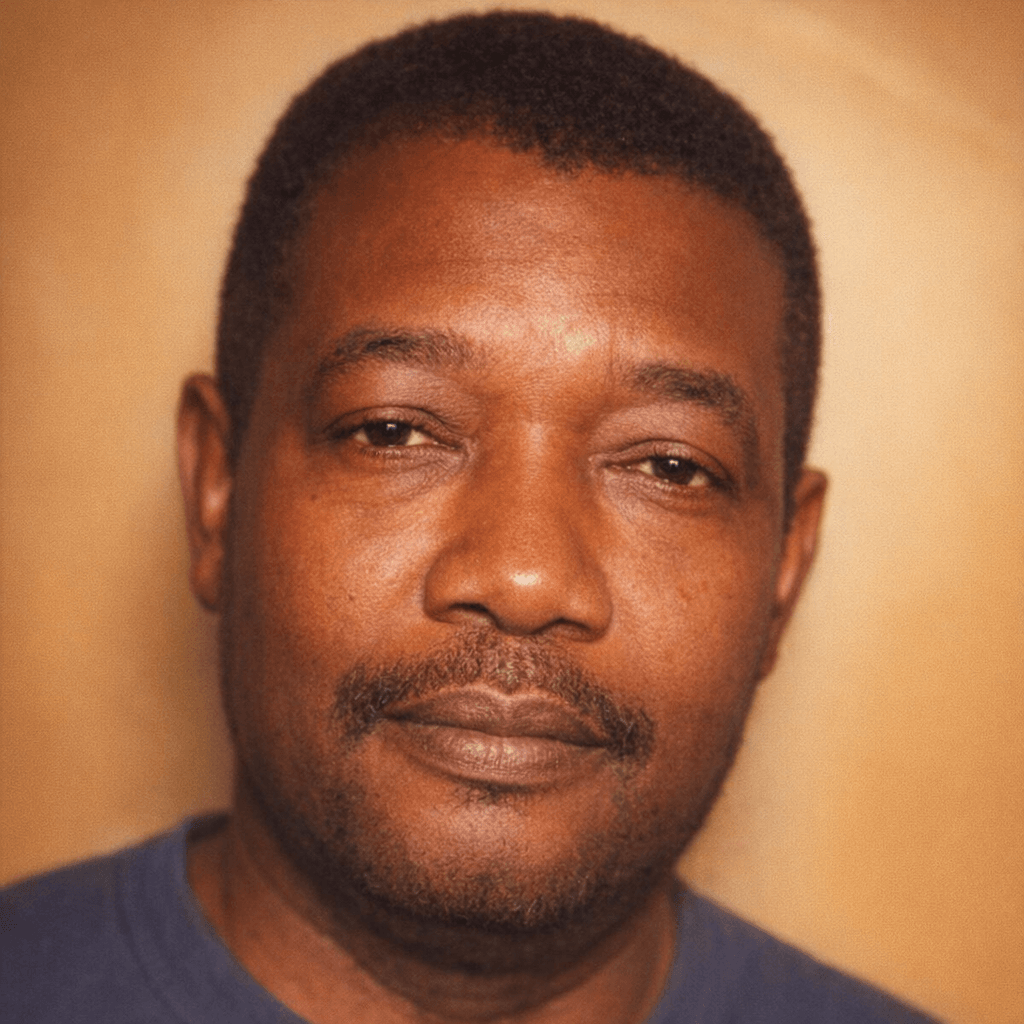
Meridjo Belobi, born Jean-Marie Belobi Ng’ekerme on December 22, 1952, in Kinshasa, emerged as one of Africa’s most influential drummers. Raised in the vibrant Kauka district of Kalamu, his early life blended discipline and creativity. Although his father envisioned a technical career for him at the Institut des Techniques Appliquées (ISTA), Meridjo gravitated toward music.
His involvement in the Xavérie cultural movement introduced him to percussion instruments, where his natural rhythm and curiosity began to flourish. This early experimentation laid the foundation for a groundbreaking career in Congolese music.
Joining Zaïko Langa Langa
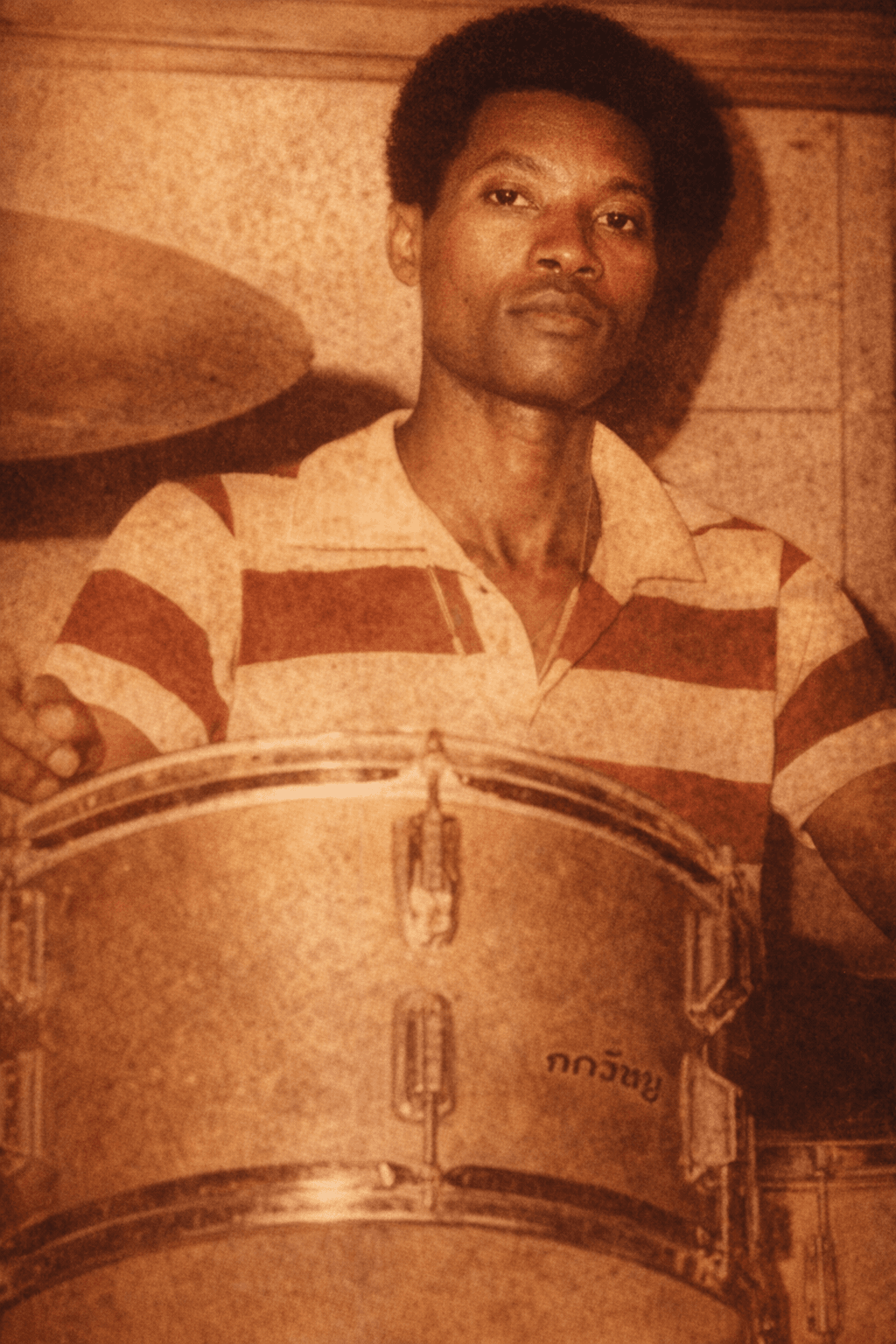
In 1971, Meridjo joined the legendary band Zaïko Langa Langa, a defining force in modern Congolese rumba. Initially a percussionist, he transitioned to drummer after Bimi Ombale moved into a vocal role.
It was during this time that Papa Wemba gave him the nickname “Meridjo,” a creative twist on “John Mary.” This marked the beginning of his professional identity and his rise as a master drummer within the African music scene.
The Birth of the Cavacha Rhythm
Meridjo Belobi’s most iconic contribution to music is the creation of the Cavacha drum pattern—a revolutionary rhythm that reshaped Congolese rumba and soukous music.
Inspired by the rhythmic motion of a train journey between Brazzaville and Pointe-Noire in 1973, Meridjo developed a fast-paced, hypnotic beat played primarily on the hi-hat and snare drum. This innovation became the heartbeat of modern Congolese dance music.
The Cavacha style quickly became synonymous with Soukous and Congolese rumba, earning him the nickname “Masini Ya Kauka” (Engine of Kauka), a testament to his driving rhythmic force.
Challenges and Comeback
In 1974, Meridjo’s career faced a major setback when he was imprisoned for 21 months due to a curfew violation. Despite this interruption, his passion for music never faded.
Upon his release, he rejoined Zaïko Langa Langa and recorded “Sangela,” a track that reaffirmed his importance within the group. His return marked a new era of success, as the band embarked on international tours across Africa, Europe, and Japan, spreading the electrifying sound of Congolese music worldwide.
Innovation: Double-Drumming Technique
In 1985, Meridjo collaborated with Bakunde Ilo Pablo to introduce the concept of double-drumming in Congolese music. This technique layered two drum kits to create richer, more dynamic rhythms.
This innovation elevated the live performances of Zaïko Langa Langa and reinforced Meridjo’s reputation as a pioneer in African percussion. His technical precision and creativity became essential elements of the band’s signature sound.
Popular Songs and Musical Contributions
Throughout his career with Zaïko Langa Langa, Meridjo Belobi contributed to numerous iconic tracks that remain staples of Congolese music. Some of his most notable works include:
“Bisengo Na Bango”
“Matondo”
“Mosafi”
“Sangela”
These songs highlight his mastery of rhythm and his ability to enhance melodies with powerful, dance-driven beats. His drumming became the backbone of many hits that defined the golden era of soukous.
Musical Style and Genres
Meridjo Belobi’s musical style is deeply rooted in several key African genres, including:
Cavacha
Soukous
Congolese rumba
Lingala music
His drumming style is characterized by speed, precision, and an infectious groove that compels listeners to dance. The Cavacha rhythm, in particular, revolutionized how drums were used in African music, shifting from simple accompaniment to a central driving force.
His influence can still be heard in modern Congolese bands, where fast-paced drum patterns dominate dance floors across Africa and beyond.
Zaïko Langa Langa Universel Era
In 1999, internal conflicts led Meridjo to leave Zaïko Langa Langa. However, his passion for music remained undiminished. He went on to co-found Zaïko Langa Langa Universel alongside Oncle Bapius and Modeste Modikilo.
The group released the album Etumba Ya La Vie, featuring the title track composed by Meridjo himself. Although the project was short-lived, it demonstrated his enduring creativity and commitment to musical innovation.
Influence on African Drumming
Meridjo Belobi’s impact extends far beyond his own recordings. His Cavacha rhythm has influenced generations of drummers across Africa.
Notable musicians inspired by his work include:
Ramatoulaye Ngolali
Papy Kakol
His techniques are studied and replicated by aspiring drummers, cementing his legacy as a pioneer of modern African percussion.
Final Years and Legacy
Meridjo Belobi passed away on August 27, 2020, in Liège after a prolonged illness. He was laid to rest in Kinshasa’s Nsele Necropolis on October 15, 2020.
In recognition of his immense contribution to African music, he was posthumously awarded the Order of Civic and Artistic Merit. His legacy continues to resonate through the rhythms of contemporary Congolese music.
Conclusion: A Timeless Rhythm Pioneer
Meridjo Belobi remains a towering figure in the history of Congolese music. From his revolutionary Cavacha rhythm to his influential role in Zaïko Langa Langa and Zaïko Langa Langa Universel, his contributions reshaped African drumming forever.
His innovations continue to inspire musicians across generations, ensuring that his rhythmic legacy lives on. As one of Africa’s most influential drummers, Meridjo Belobi will always be remembered as the heartbeat behind the evolution of soukous and Congolese rumba.