

Ntesa Dalienst: A Vocal Icon of Congolese Soukous Music
Early Life and Introduction to Music
Ntesa Dalienst, born Daniel Ntesa Zitani on October 30, 1946, was a gifted Congolese singer, composer, and recording artist. He grew up surrounded by the vibrant sounds of Congolese rumba, which would later evolve into the globally celebrated soukous genre. From an early age, Dalienst exhibited a passion for music, and it was clear that his vocal talent would make a mark on African music history.
Joining TPOK Jazz and His Rise to Fame
Dalienst’s musical journey took a pivotal turn when he joined TPOK Jazz, the band led by the legendary François “Franco” Luambo Makiadi. At its peak, TPOK Jazz was a cultural force, dominating the Congolese music scene from the 1960s through the 1980s. Dalienst’s entry into the band elevated his career, allowing him to showcase his unique vocal prowess alongside other talented musicians. His contributions were instrumental in shaping the band’s sound during the 1980s.
Vocal Heavyweight of TPOK Jazz
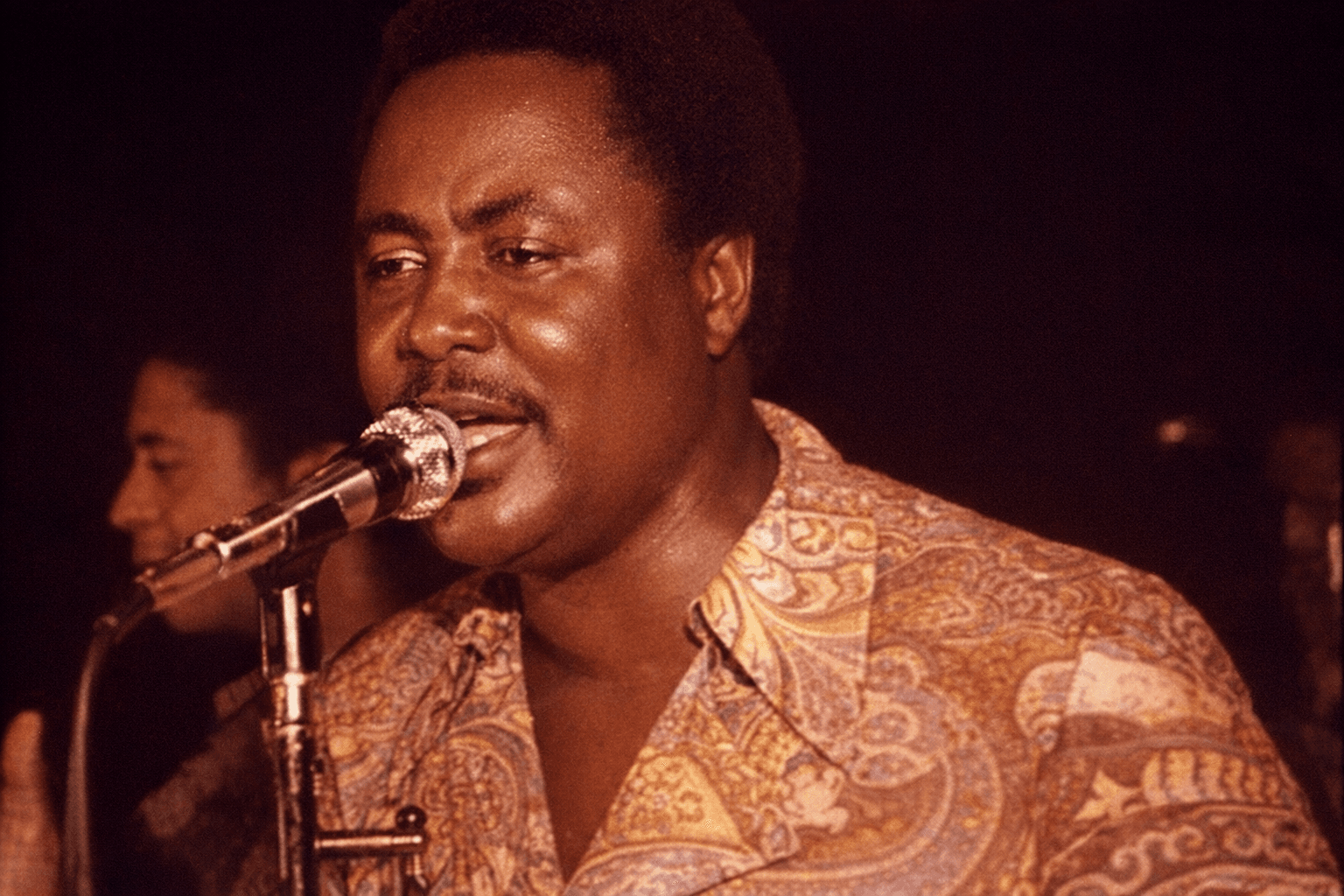
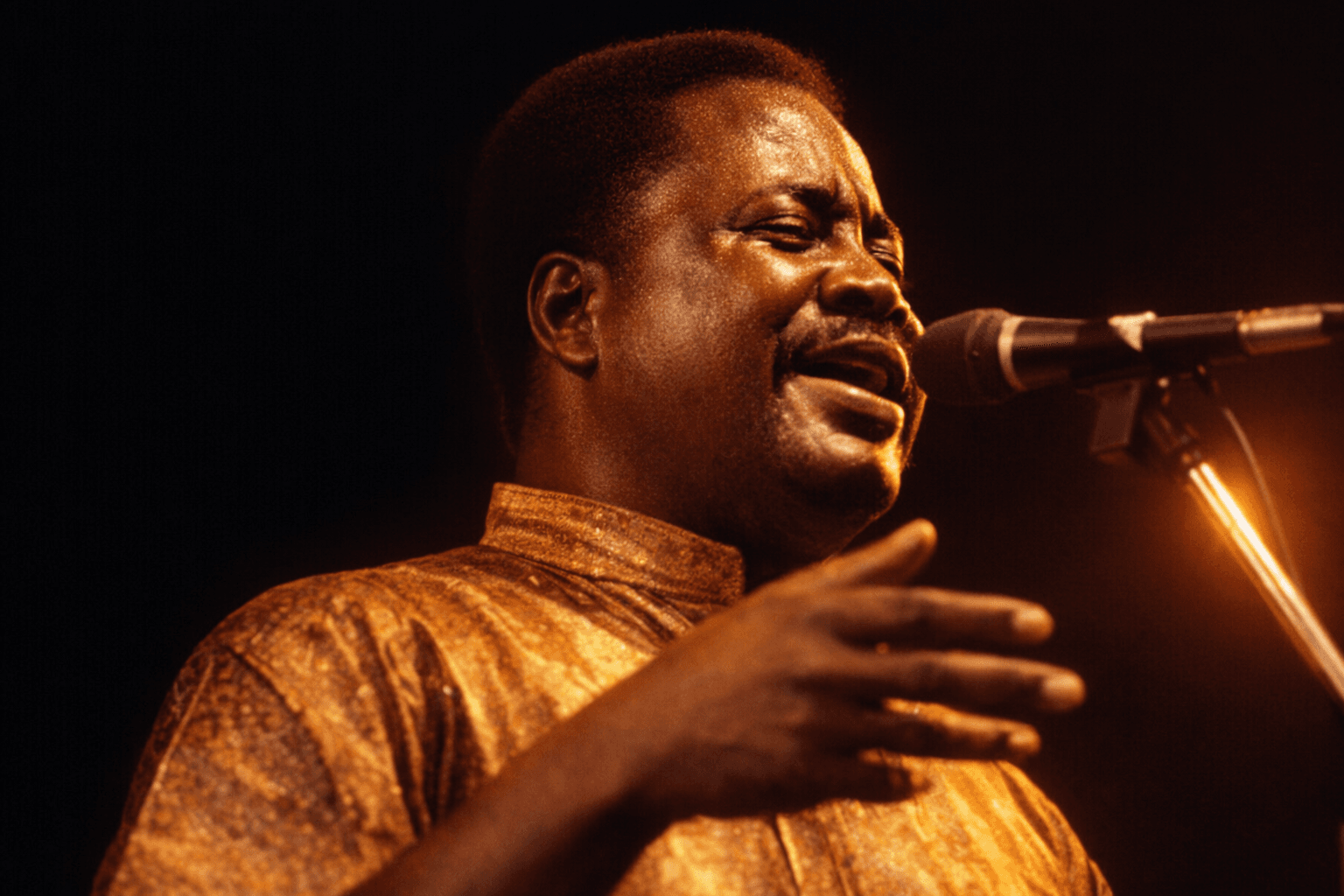
As part of TPOK Jazz’s legendary lineup, Dalienst stood out for his remarkable vocal range. He was considered one of the top three vocalists of the group in the 1980s, alongside Josky Kiambukuta and Madilu System. His distinctive high-pitched voice often took the lead, adding a rich texture to the band’s complex vocal arrangements. Dalienst’s emotive delivery and vocal control earned him widespread admiration among fans of Congolese music.
Memorable Songs and Timeless Hits
Ntesa Dalienst’s musical catalog is filled with songs that have left an indelible mark on African music. Among his most beloved tracks is “Dodo,” a fan favorite that continues to resonate with listeners. Another standout is “Bina Na Ngai Na Respect,” a track known for its infectious rhythms and lyrical depth, which has made his music “evergreen” for generations of fans. “Liyanzi Ekoti Ngai Na Motema“ is often regarded as one of his finest works, praised for its timeless appeal.
Other popular songs by Dalienst include “Mukungu,” “Lisolo Ya Adamo Na Nzambe,” “Namiswi Misapi,” and “Alerte.” Each track showcases his exceptional vocal power and artistic versatility. “Mamie Zou,” “Batandeli Ngai Mitambo,” and “Santu Petelo” are further testaments to his ability to craft music that blends harmonies, rhythms, and melodies in ways that captivate and inspire.
Ntesa’s Contributions as a Composer
While Dalienst is best known for his vocal performances, his work as a composer also deserves recognition. His compositions added to TPOK Jazz’s vast repertoire, enriching the band’s output with songs that spoke to both personal and societal themes. One notable example is his contribution to the song “Nda-Ya,” composed by bass player Mpudi Decca, which tells the story of a failed arranged marriage. His ability to convey powerful narratives through music was a key aspect of his artistic legacy.
A Musical Journey Beyond TPOK Jazz
Before his time with TPOK Jazz, Dalienst was a member of Les Grands Maquisards, another influential group in the Congolese music scene. This experience helped him hone his skills and cemented his reputation as a formidable vocalist and musician. His early involvement with different bands underscores his deep-rooted connection to the evolution of Congolese rumba and soukous, contributing to the genre’s development over time.
Legacy and Lasting Influence
Ntesa Dalienst passed away on September 23, 1996, but his influence on Congolese and African music endures. His work has been the focus of numerous tributes, including in music documentaries like “Cavacha Express!” Even decades after his death, Dalienst’s songs are still celebrated, played on music platforms, and cherished by fans who admire his contributions to the soukous genre. His legacy as one of the great voices of Congolese music is secure, and his timeless hits continue to inspire new generations of listeners.
Conclusion: A Legend in African Music
Ntesa Dalienst’s extraordinary talent and contributions to African music, particularly in the realm of soukous, make him a legend in his own right. His distinctive voice, memorable compositions, and the cultural impact of his music ensure that he will always be remembered as one of the most important figures in Congolese music history.