


Rene Kassanda: Legacy of an Afrisa Icon
Introduction to Rene Kassanda
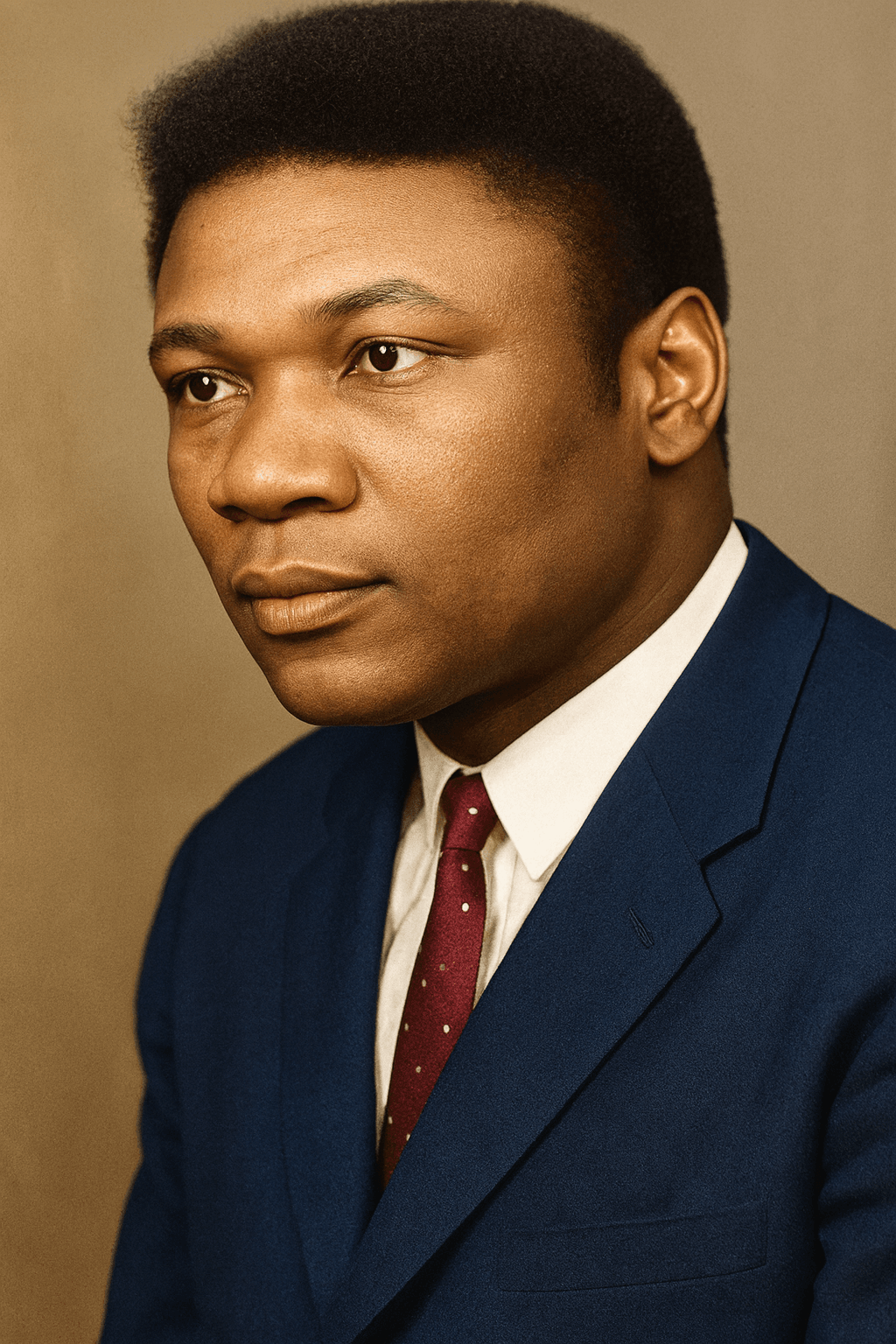
Rene Kassanda, also known as Kassanda Kashama René and affectionately called Karé, was a respected Congolese singer, performer, and composer whose voice helped shape the golden era of Congolese rumba and soukous. Closely associated with Tabu Ley Rochereau and the legendary Afrisa International, Rene Kassanda occupies an important place in the rich history of Lingala music. Though not always as widely documented as some of his contemporaries, his artistic contributions continue to resonate among Rumba enthusiasts and collectors across Africa and the diaspora.
Early Life and Musical Roots
Information about Rene Kassanda’s early life remains limited, a common reality for many artists of his generation. What is clear, however, is that he emerged from the vibrant musical environment of the Democratic Republic of the Congo, where music was both cultural expression and social commentary. Growing up during the rise of modern Congolese rumba, Kassanda was influenced by pioneers such as Joseph Kabasele (Grand Kallé) and the early works of African Fiesta, which laid the groundwork for his artistic journey.
Association with Tabu Ley Rochereau
Rene Kassanda’s career is inseparable from the musical universe of Tabu Ley Rochereau, one of Africa’s most influential musicians. Kassanda became part of African Fiesta National (Le Peuple), the ensemble led by Tabu Ley after the split of African Fiesta. Within this group, he worked alongside major figures such as Ndombe Opetum, contributing vocals that enriched the group’s layered harmonies and emotional depth.
His presence on recordings like “Mokitani Ya Wendo”, credited to Rochereau, Kare, and L’Orchestre African Fiesta National, confirms his role as a frontline vocalist rather than a background contributor. This period marked his integration into the elite circle of Congolese rumba artists.
Role in Afrisa International
Following the evolution of African Fiesta National, Rene Kassanda became associated with Afrisa International, Tabu Ley’s globally recognized band. Afrisa International was known for refining Congolese rumba and exporting soukous to international audiences, blending traditional rhythms with modern arrangements. Kassanda’s voice fit perfectly within Afrisa’s polished sound, characterized by smooth melodies, expressive Lingala lyrics, and elegant guitar lines.
Within Afrisa International, Rene Kassanda stood among a generation of high-caliber vocalists who helped define the band’s identity during its most productive years. His work with Afrisa ensured his legacy as part of one of the most important orchestras in African music history.
Independent Projects and Malaika International
Beyond Afrisa International, Rene Kassanda also pursued projects that highlighted his individuality as an artist. In 1985, he released the LP “Nzoto Ya Depence ‘Mace’” with L’Orchestre Malaika International, under the Kariba label. This album demonstrated his ability to lead and shape a musical project, moving from ensemble singer to central artistic figure.
Malaika International, sometimes linked to regional Southern African circuits, reflects Kassanda’s wider influence beyond Congo, particularly in countries like Zambia, where Congolese rumba enjoyed immense popularity.
Popular Tracks and Discography Highlights
Although Rene Kassanda’s full discography is still being uncovered by historians and collectors, several recordings stand out as key markers of his career:
These tracks illustrate both his musical range and his engagement with social and political themes, especially during the Mobutu era, when musicians often commented on national identity and leadership.
Musical Style and Artistic Identity
Rene Kassanda’s musical style was deeply rooted in Congolese rumba, with strong influences of soukous and traditional Lingala music. His singing was marked by clarity, emotional nuance, and a conversational delivery that resonated with everyday experiences. Like many Afrisa vocalists, he balanced romantic themes with social observation, supported by elegant guitar work and rhythmic percussion.
His voice complemented the smooth, melodic approach championed by Tabu Ley, making him an ideal interpreter of rumba compositions that required both technical skill and emotional sensitivity.
Career Trajectory and Later Years
Rene Kassanda remained active in music through the mid-1980s, recording under his own name and collaborating with established orchestras. While detailed records of his later career are scarce, his continued presence on regional labels such as Kariba and Kalimba suggests sustained relevance within the Congolese and Southern African music scenes.
He passed away in Kinshasa on January 28, 2026, marking the end of a life dedicated to music. Tributes following his death emphasized his role as an Afrisa International vocalist and a respected figure in classic rumba circles.
Influence on Congolese Music
Though not always in the spotlight, Rene Kassanda’s influence lies in his contribution to the collective sound of Afrisa International and African Fiesta National. He represents the many skilled vocalists who helped elevate Congolese rumba into a sophisticated, globally admired genre. His recordings remain valuable references for understanding the vocal traditions of Lingala music and the collaborative spirit of Congolese bands.
Conclusion: Rene Kassanda’s Enduring Legacy
Rene Kassanda may not have left behind an extensive, fully documented biography, but his musical legacy is undeniable. As a singer for Tabu Ley, Afrisa International, and African Fiesta National, and as a leader within Malaika International, he contributed to some of the most important chapters of Congolese music history. His voice continues to echo through classic rumba recordings, ensuring that Rene Kassanda remains remembered as a vital figure in the enduring story of Congolese rumba and soukous.