


The Early Years of Mpudi Decca: A Musical Beginning
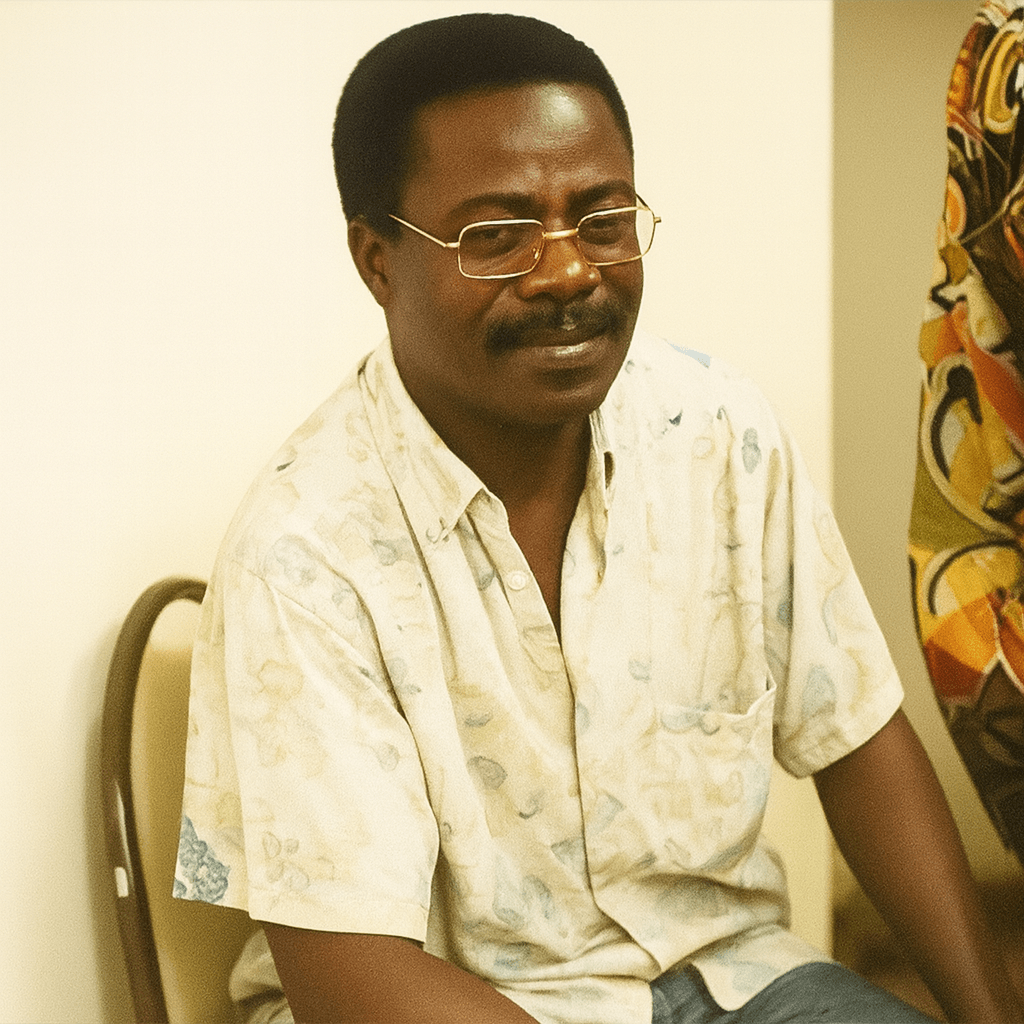
Born in 1941 in Kinshasa, Mpudi Decca, also known as Decca “Mamou” or Mpudi Zi Nza, grew up amidst the vibrant rhythms of Congolese music. The 1960s were a transformative period for the region, and it was during this time that Decca began his journey as a musician. He made his debut with Orchestre Vedette Jazz, a band that nurtured his talent and provided him with a platform to showcase his growing skill as a bassist. This foundational experience would serve him well, propelling him into the higher echelons of the Congolese music scene.
Joining TPOK Jazz: A Defining Moment
In 1971, Mpudi Decca’s career took a significant leap when he joined the legendary band TPOK Jazz (Tout Puissant Orchestre Kinshasa OK Jazz), a major force in the Congolese music world led by the iconic Franco Luambo Makiadi. TPOK Jazz was not just a band; it was a cultural institution, and its members were regarded as pioneers of modern Congolese rumba. Decca’s inclusion in the group brought a fresh dynamic to their sound, particularly through his masterful bass guitar techniques. His tenure with the band lasted for two decades, from the early 1970s into the early 1990s, solidifying his place in Congolese music history.
The Magic of “Ndaya” and “Mamou“: Chart-Topping Hits
Mpudi Decca’s contribution to TPOK Jazz wasn’t just in his ability to play the bass; he was also a key contributor to the band’s most memorable hits. One of his most famous compositions, “Ndaya,” became a staple in Congolese music, revered across Central, East, and West Africa. The song’s intricate bass lines were emblematic of Decca’s signature style, which was both complex and soulful, making it an instant classic. His other notable work, “Mamou,” not only earned him widespread recognition but also helped boost his personal popularity as a key figure in the band. Both songs continue to resonate with fans of Lingala music today.
Master of the Bass Guitar: Decca’s Unique Style
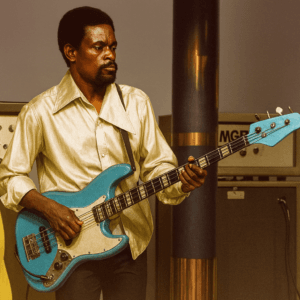
Mpudi Decca’s bass-playing skills were legendary. His fluid style combined rhythmic precision with a deep melodic sensitivity, making him stand out as one of the most innovative bass guitarists of his time. Decca’s basslines were not just supporting elements; they often took center stage, driving the rhythm and emotional depth of the songs. His ability to blend seamlessly with the other instrumentalists in TPOK Jazz was a key factor in the band’s enduring success. Many fans and fellow musicians considered him one of the best bass guitarists in Zaire (now the Democratic Republic of Congo), a title that reflected his profound impact on the genre.
Mpudi Decca’s Enduring Legacy
Despite passing away in 2006, Mpudi Decca’s influence continues to be felt in Congolese music. He left behind a rich catalog of recordings that remain timeless, particularly his work with TPOK Jazz. His contributions to the growth of Lingala music and his role in shaping modern Congolese rumba are celebrated by both older and newer generations of music lovers. Today, his legacy lives on not only through his recordings but also in the work of the countless musicians he inspired throughout his career. Mpudi Decca’s unique blend of technical brilliance and emotional expression ensures that his place in African music history will remain secure for generations to come.
Remembering a Legend: Mpudi Decca’s Impact on African Music
Mpudi Decca was more than just a bassist; he was a visionary musician whose talent elevated the bands he played with and the genre he represented. His work, particularly with TPOK Jazz, was instrumental in making Congolese rumba one of Africa’s most beloved musical styles. As African music continues to evolve and influence global soundscapes, the foundational work of musicians like Decca is vital in understanding its roots. The story of Mpudi Decca is not just the tale of a great bassist; it is the story of Congolese music itself, marked by resilience, creativity, and an undying passion for rhythm.