


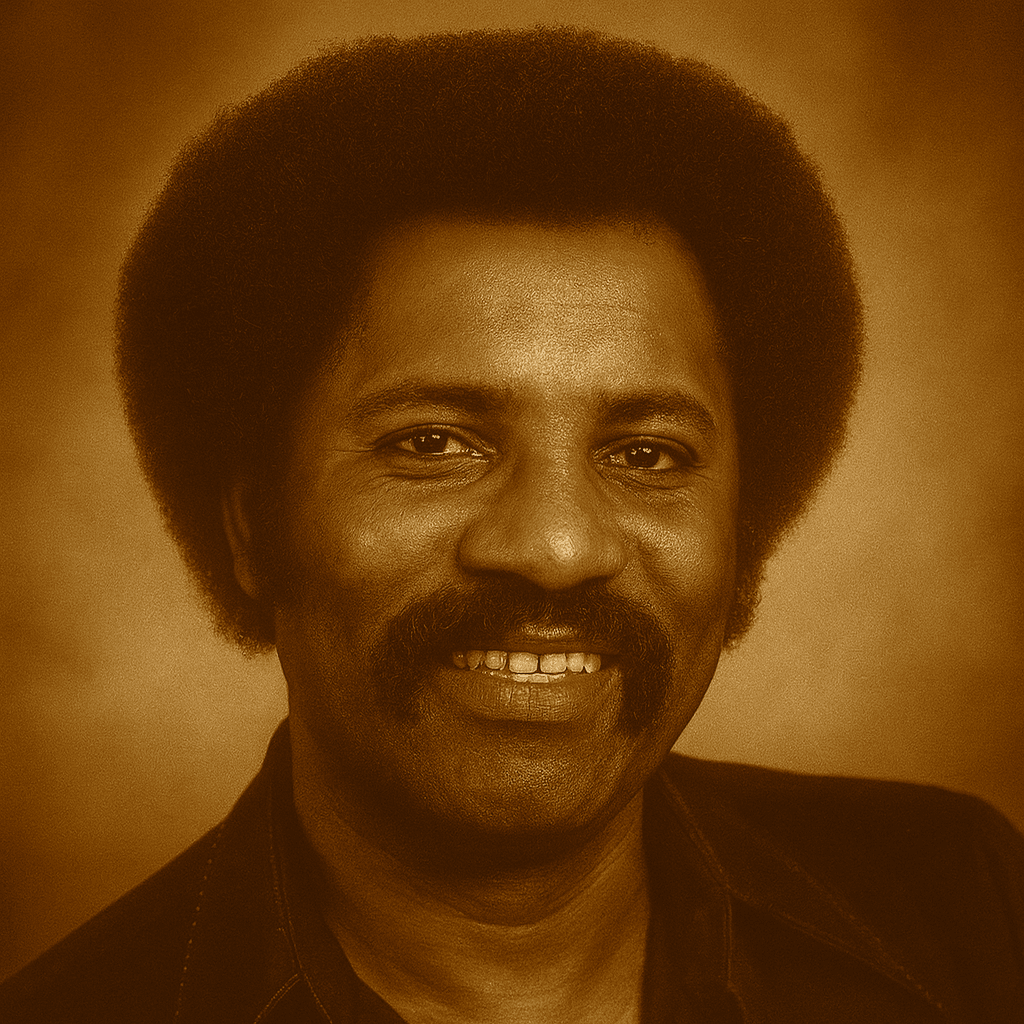
Theo Blaise Kounkou: A Pioneer of Congolese Rumba
Early Life and Musical Beginnings
Théo Blaise Kounkou was born on April 24, 1950, in Brazzaville, Republic of Congo. His passion for music developed at an early age, and by 14, he was already singing in Catholic choirs, where he honed his tonal harmonies. His dedication to music led him to Kinshasa, where he joined various neighborhood orchestras, refining his vocal and performance skills.
Rise to Fame and International Recognition
Kounkou’s major breakthrough came in the mid-1970s when he joined the Beninese band Orchestre Poly-Rhythmo De Cotonou. This experience exposed him to a fusion of Afro-Latin and Congolese sounds, setting the stage for his solo career. In 1977, he released the hit song “Zenaba,” which propelled him to international fame. The track showcased his signature style, blending Congolese rumba with Afro-soul elements.
Association with L’African All Stars
One of the most defining moments of Kounkou’s career was his collaboration with Sam Mangwana in L’African All Stars. This band played a crucial role in popularizing soukous, an energetic and danceable evolution of Congolese rumba. Through L’African All Stars, Kounkou contributed to a wave of high-quality music that resonated across Africa and the diaspora, further solidifying his influence in the genre.
Popular Tracks and Musical Contributions
Kounkou’s discography is filled with timeless hits that continue to be celebrated. Some of his most popular songs include:
Musical Style and Genre
Theo Blaise Kounkou’s music is characterized by a sophisticated blend of Congolese rumba, soukous, and Afro-soul influences. His high-pitched yet smooth vocals are complemented by intricate electric guitar work and groovy rhythmic arrangements. Unlike many of his contemporaries, he often sang in both French and Lingala, broadening his appeal beyond Central Africa.
Legacy and Influence
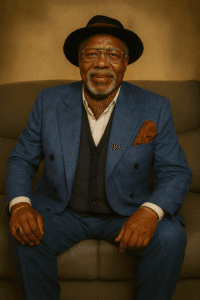
Kounkou’s impact on Congolese rumba and soukous is undeniable. He was among the first Congolese artists to bring a polished and cosmopolitan sound to the genre, incorporating elements of jazz and Afro-Latin music. His achievements also include attending the prestigious Paris Conservatory, a rare feat among Congolese musicians.
In 2015, he was honored by the Congolese Teke diaspora in Paris, where he was elevated to the rank of first “Ngatsié.” This recognition highlighted his contributions to the global recognition of Congolese music.
Conclusion
Theo Blaise Kounkou remains a revered figure in African music, with a legacy that continues to inspire musicians worldwide. His contributions to Congolese rumba and soukous helped shape the evolution of these genres, making him an indispensable part of Africa’s musical heritage. Through his timeless songs and collaborations, Kounkou’s influence endures, ensuring that his music lives on for generations to come.