


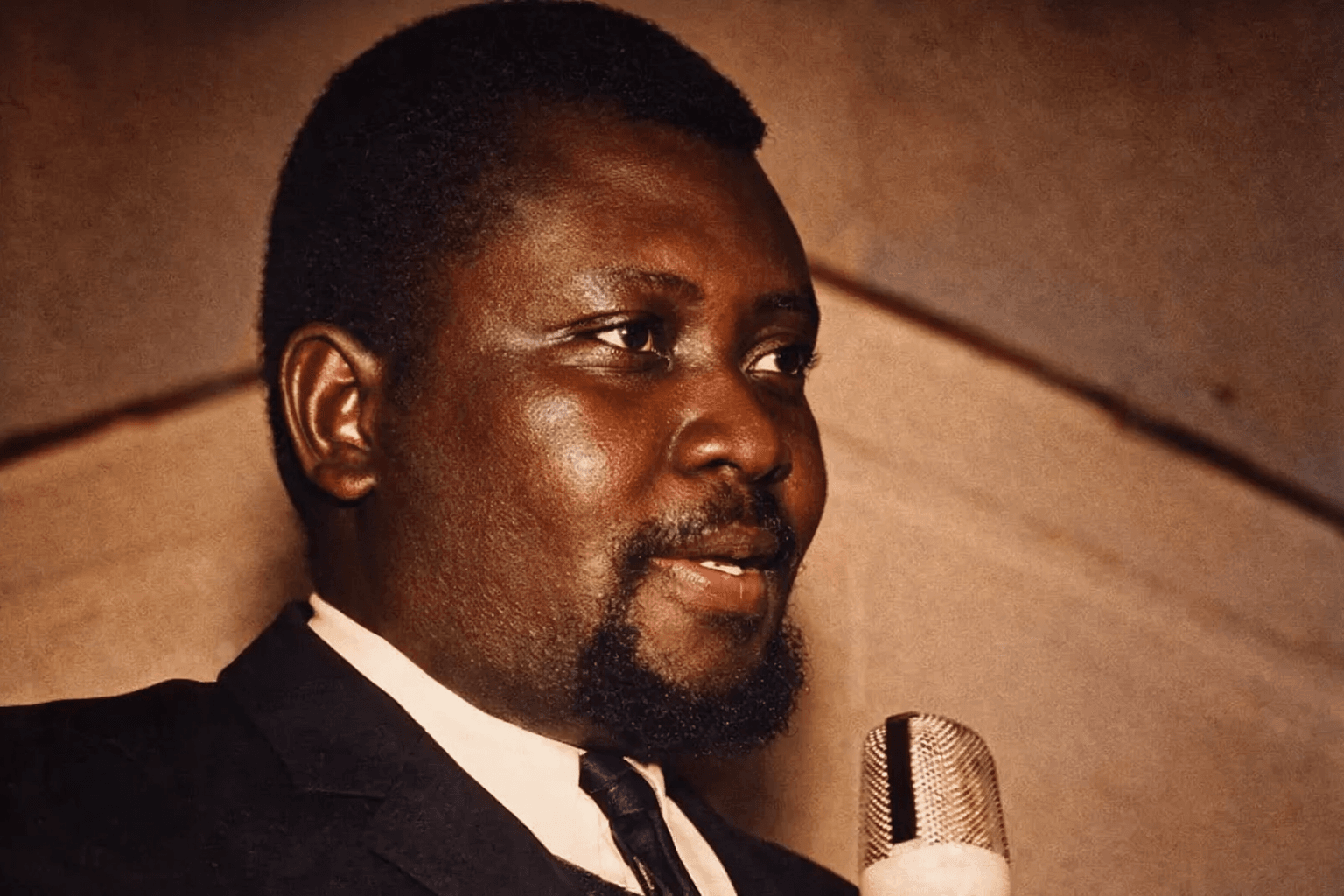
Nino Malapet: A Pioneer of Congolese Music
Early Life and Musical Beginnings
Nino Malapet, born Jean-Dieudonné Malapet on March 8, 1935, in Brazzaville, Congo, was a trailblazing Congolese musician who left a lasting mark on African music. Growing up in a vibrant cultural environment, he developed an early passion for music, particularly the saxophone. By the early 1950s, Malapet had already honed his skills, gaining recognition for his exceptional musical talent and unique style. His musical career took off, establishing him as a promising talent in Congolese music and paving the way for a lifetime of contributions.
Joining Rock-a-Mambo and the Rise to Fame
In 1957, Malapet joined the newly formed Rock-a-Mambo orchestra, an ensemble that would become one of the cornerstones of Congolese music. Malapet’s partnership with clarinetist Jean Serge Essous was a significant development, creating an influential sound marked by their chemistry and innovation. The duo became known for producing some of the most memorable tunes in Congolese rumba, blending Latin influences with African rhythms. Songs like “Les Voyous” and “Mi Cancion” became instant hits, showcasing the duo’s musical prowess and solidifying Rock-a-Mambo as a powerful force in African music.
Transition to Les Bantous de la Capitale
After Rock-a-Mambo disbanded, Malapet joined Les Bantous de la Capitale in 1959, a band that would become another pillar of Congolese rumba. Formed by a group of talented musicians, Les Bantous de la Capitale quickly gained popularity for its rhythmic innovations and soulful compositions. When Essous left in 1966, Malapet took over as the band’s leader, guiding them into a new era. Under his leadership, the band explored various genres and sounds, cementing their legacy in the African music scene.
Signature Musical Style and Innovations
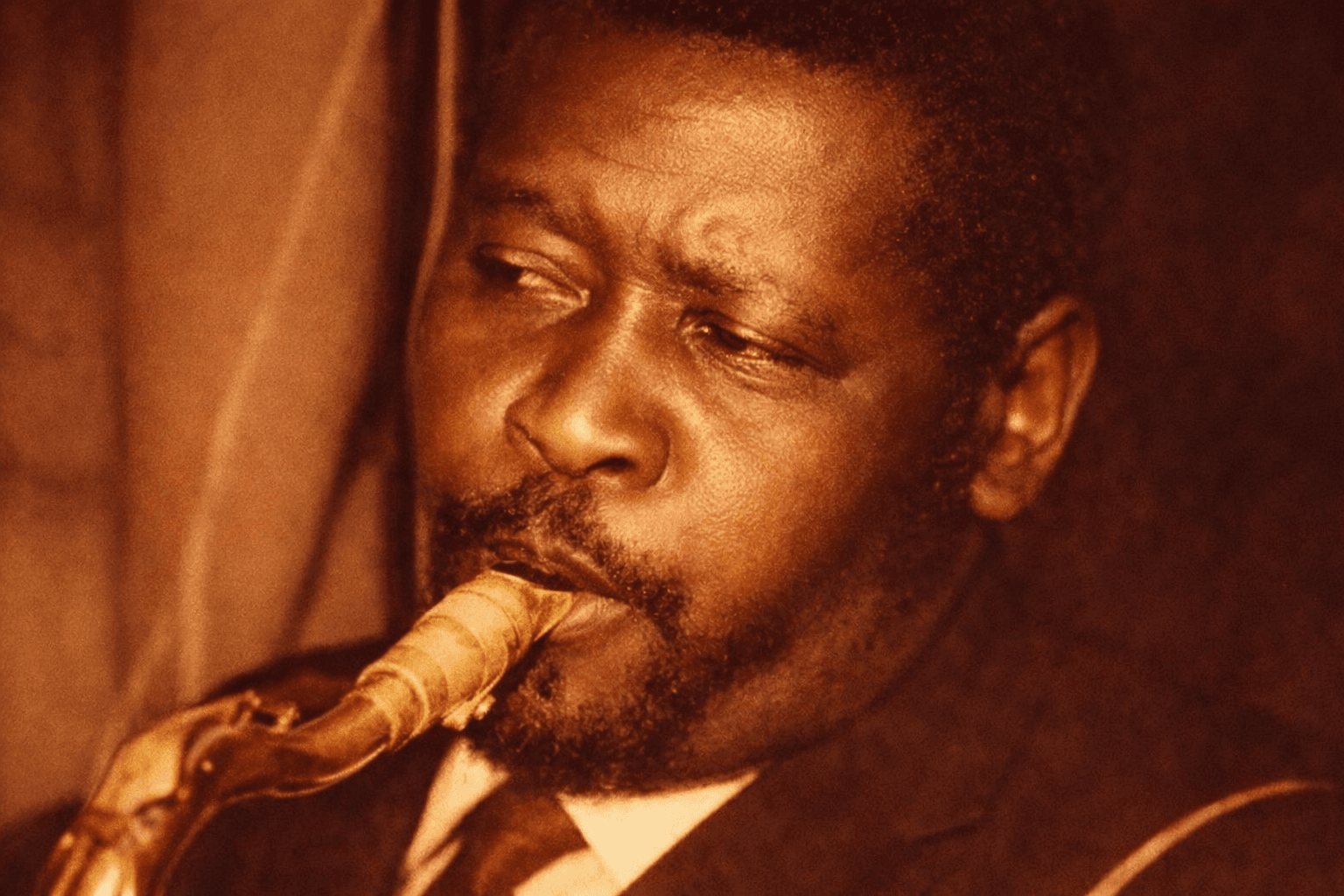
Nino Malapet’s musical style was a unique blend of Latin and African influences, characterized by danceable rhythms, intricate compositions, and a deep love for musical precision. His arrangements were known for their structure and clarity, which brought out the best in the band’s sound. Songs such as “Oiga Mambo,” “Destino,” and “Ritmo Bantou” showcased his talent for fusing Latin rhythms with Congolese melodies. Malapet’s work was defined by an authenticity and richness that made his music timeless, captivating audiences across generations.
Notable Songs and Iconic Compositions
Throughout his career, Malapet produced numerous iconic compositions that have remained integral to Congolese music. Some of his most notable works include “Les Voyous” and “Mi Cancion” with Rock-a-Mambo, and “Oiga Mambo,” “Tu Silencio,” “Destino,” and “Ritmo Bantou” with Les Bantous de la Capitale. These songs not only highlighted Malapet’s saxophone skills but also his ability to craft melodies that resonated deeply with audiences. His compositions continue to be celebrated, embodying the soul of Congolese rumba and soukous.
Legacy and Lasting Influence on African Music
Nino Malapet’s influence on Congolese music remains significant, even after his passing on January 29, 2012. As one of the pioneers who helped shape the genre of soukous, Malapet’s contributions extended beyond his compositions to include mentorship and leadership within the music community. His ability to blend cultural elements in his music played a pivotal role in defining the sound of Congolese rumba, inspiring musicians across Africa and beyond. Malapet’s legacy is preserved in the music that still echoes his passion, skill, and dedication to Congolese culture.