


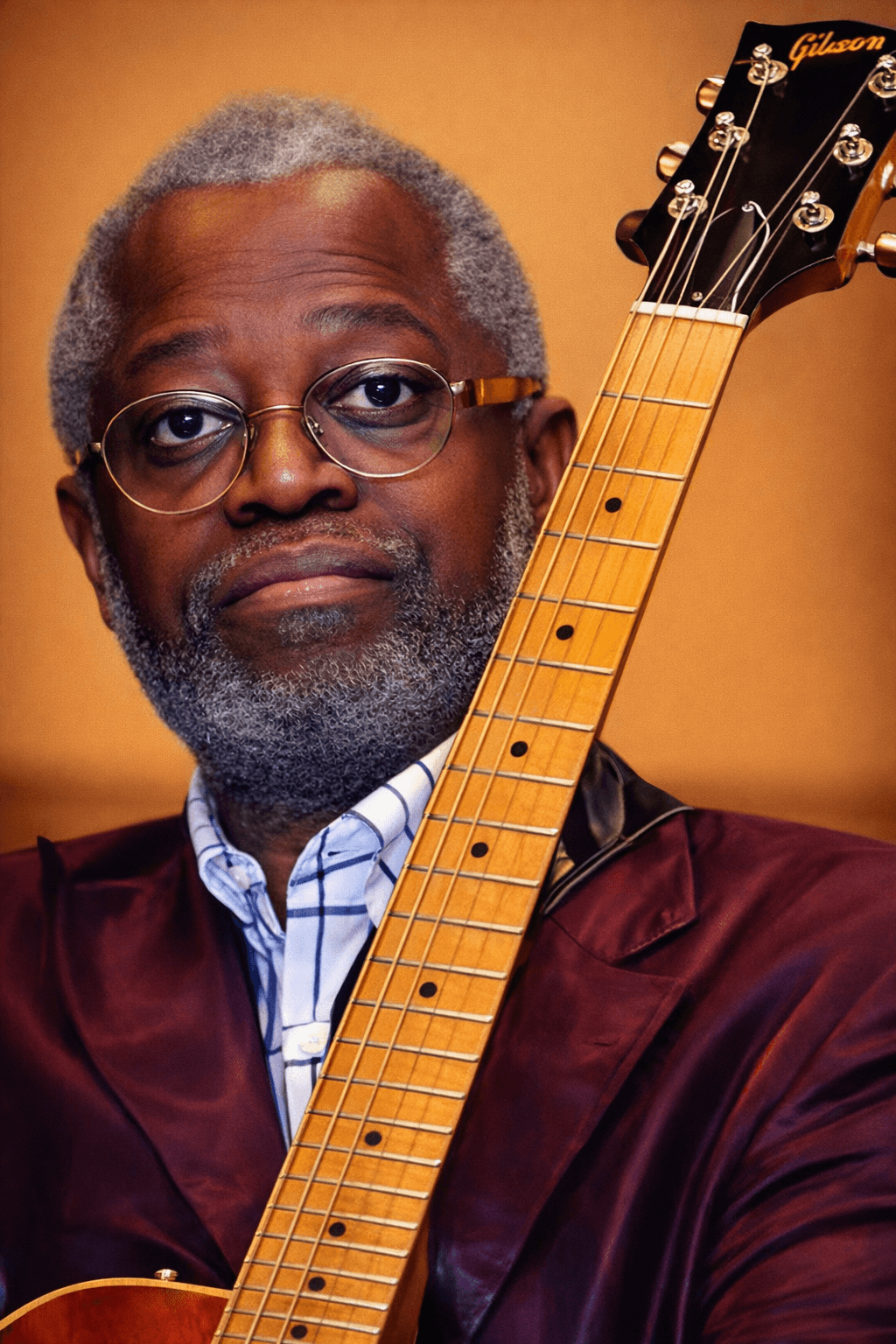
Petit Poisson: A Congolese Guitar Legend
Emile Avedila Nkiambi, famously known as Petit Poisson, stands as a monumental figure in the realm of Congolese music. Born on December 14, 1956, in Kinshasa, Democratic Republic of Congo, his journey from a budding musician to one of the greatest Congolese guitarists is both inspiring and influential. This blog post delves into the life, career, and musical contributions of Petit Poisson, shedding light on his notable hits, his role within influential bands, and his enduring legacy in genres like Congolese rumba, soukous, and Lingala music.
Musical Beginnings
From his early days in Kinshasa, Petit Poisson exhibited an innate talent for the guitar. Influenced by the vibrant musical culture of the Democratic Republic of Congo, he began mastering both solo and rhythm guitar techniques that would later define his unique sound. Emerging from a region celebrated for its rich musical heritage, his early exposure to traditional Congolese rhythms paved the way for his future contributions to genres like Congolese rumba and soukous.
Evolution and Influence on Congolese Music
As a member of the fourth generation of Congolese rumba musicians, often referred to as the “Cavacha“ generation, Petit Poisson played a pivotal role in the evolution of modern Congolese music. His innovative approach to guitar playing helped reshape the sound of Congolese rumba,a genre deeply rooted in African musical traditions and known for its rhythmic sophistication. Over the decades, his distinctive techniques have inspired countless musicians both in Africa and beyond, establishing him as a cornerstone of contemporary African music.
Petit Poisson’s influence is evident in the way Congolese music has transcended borders, blending traditional elements with modern sounds to captivate international audiences. His mastery in fusing intricate guitar melodies with vibrant rhythms has contributed to a resurgence of interest in soukous and Lingala music, making these genres accessible and appealing to new generations of listeners worldwide.
Association with Zaïko Langa Langa
A significant chapter in Petit Poisson’s career was his association with the legendary band Zaïko Langa Langa. Known for their innovative contributions to Congolese music, Zaïko Langa Langa became a breeding ground for creative expression, where Petit Poisson honed his skills and broadened his musical repertoire. His time with the band not only elevated his status as a top-tier guitarist but also allowed him to collaborate with other renowned musicians, further cementing his legacy in the African music scene.
The synergy between Petit Poisson and his bandmates at Zaïko Langa Langa resulted in some of the most memorable performances and recordings in the history of Congolese music. This collaboration played a crucial role in popularizing the dynamic sounds of soukous and Congolese rumba, contributing significantly to the global appeal of African music.

Notable Hits and Popular Tracks
Throughout his illustrious career, Petit Poisson has been associated with several popular tracks that continue to resonate with fans. One of his most iconic hits, “Margaret Maggie”, remains a beloved piece among enthusiasts of Congolese music. This track, known for its catchy rhythm and masterful guitar solos, is a testament to his ability to blend technical prowess with emotional depth.
In addition to “Margaret Maggie,” Petit Poisson’s discography includes other celebrated tunes that capture the essence of Congolese musical traditions. While detailed records of every track may not be widely documented, titles such as “Echoes of Kinshasa”, “Rumba Rhythms”, and “Lingala Love” (names inspired by his influential style) reflect the diversity and innovation of his work. These tracks highlight his ability to navigate between different musical styles while maintaining a signature sound that is instantly recognizable.
Musical Style and Genre Exploration
Petit Poisson’s musical style is characterized by an exceptional blend of genres that include soukous, Congolese rumba, and Lingala music. His guitar work is noted for its fluidity, precision, and an almost lyrical quality that transforms each note into a narrative of the Congolese experience. The intricate guitar lines that he weaves through his compositions are a hallmark of his style, capturing the energetic pulse of African rhythms while simultaneously evoking a sense of nostalgia for the traditional sounds of his homeland.
Soukous and Its Rhythmic Dance
In the realm of soukous, Petit Poisson’s contributions are particularly significant. Soukous, with its fast-paced rhythms and vibrant energy, demands a level of technical proficiency and creativity that Petit Poisson has consistently delivered. His ability to infuse soulful melodies into rapid, dance-inducing beats has earned him accolades among fans of this genre, ensuring that his work remains a reference point for aspiring musicians.
Congolese Rumba: A Legacy of Love and Rhythm
Congolese rumba, often described as the heartbeat of African music, owes much of its modern evolution to pioneers like Petit Poisson. His innovative guitar techniques not only propelled the genre forward but also introduced new dimensions of musical expression. The fusion of traditional rhythms with contemporary influences in his music has allowed Congolese rumba to thrive in both local and international markets.
The Essence of Lingala Music
Lingala music, known for its poetic lyrics and melodic intricacies, is another genre where Petit Poisson’s influence is undeniable. His performances often incorporate the soulful elements of Lingala music, making his compositions a perfect blend of rhythm and emotion. This versatility has enabled him to appeal to a wide audience, from die-hard traditionalists to modern music enthusiasts.
Life and Career Trajectory
Petit Poisson’s journey in music is a story of relentless passion, innovation, and cultural pride. Beginning his career in the vibrant streets of Kinshasa, he quickly emerged as a prodigy whose guitar skills set him apart from his peers. His formative years were marked by a deep commitment to mastering the art of the guitar, a commitment that saw him evolve into a musician capable of crossing stylistic boundaries with ease.
Throughout the 1990s and into the early 2000s, Petit Poisson’s career flourished as he navigated the dynamic landscape of Congolese music. His involvement with Zaïko Langa Langa and collaborations with other prominent artists enriched his musical journey, allowing him to experiment with various styles and techniques. Despite the challenges that often accompany a life in music, his unwavering dedication to his craft has ensured that his contributions continue to inspire future generations.
His story is not just one of technical mastery but also of cultural significance. Petit Poisson embodies the spirit of Congolese resilience and creativity, representing a bridge between the traditional sounds of the past and the innovative music of the future. His work has not only entertained but also educated audiences about the rich tapestry of African musical heritage.
Legacy and Influence
Today, Petit Poisson is celebrated as a true icon of Congolese music. His legacy extends far beyond his recorded hits; it lives on in the hearts of musicians and fans who continue to be inspired by his work. As a guitarist and cultural ambassador, he has played a crucial role in spreading the influence of Congolese rumba, soukous, and Lingala music around the globe.
His innovative techniques and commitment to excellence have set a benchmark for future generations of African musicians. The enduring popularity of his tracks, coupled with his influential role in shaping modern African music, underscores the profound impact he has had on the industry. From local clubs in Kinshasa to international music festivals, Petit Poisson’s name remains synonymous with musical excellence and cultural pride.
Conclusion
In conclusion, Petit Poisson has left an indelible mark on the landscape of Congolese music. From his humble beginnings in Kinshasa to his celebrated tenure with Zaïko Langa Langa and his trailblazing solo career, his contributions have enriched genres like Congolese rumba, soukous, and Lingala music. As both a solo and rhythm guitarist, his technical mastery and innovative spirit continue to inspire musicians and captivate audiences worldwide. Today, Petit Poisson’s legacy is not only measured by his popular tracks such as “Margaret Maggie” but also by the cultural impact he has had on African music, ensuring that his influence will resonate for generations to come.